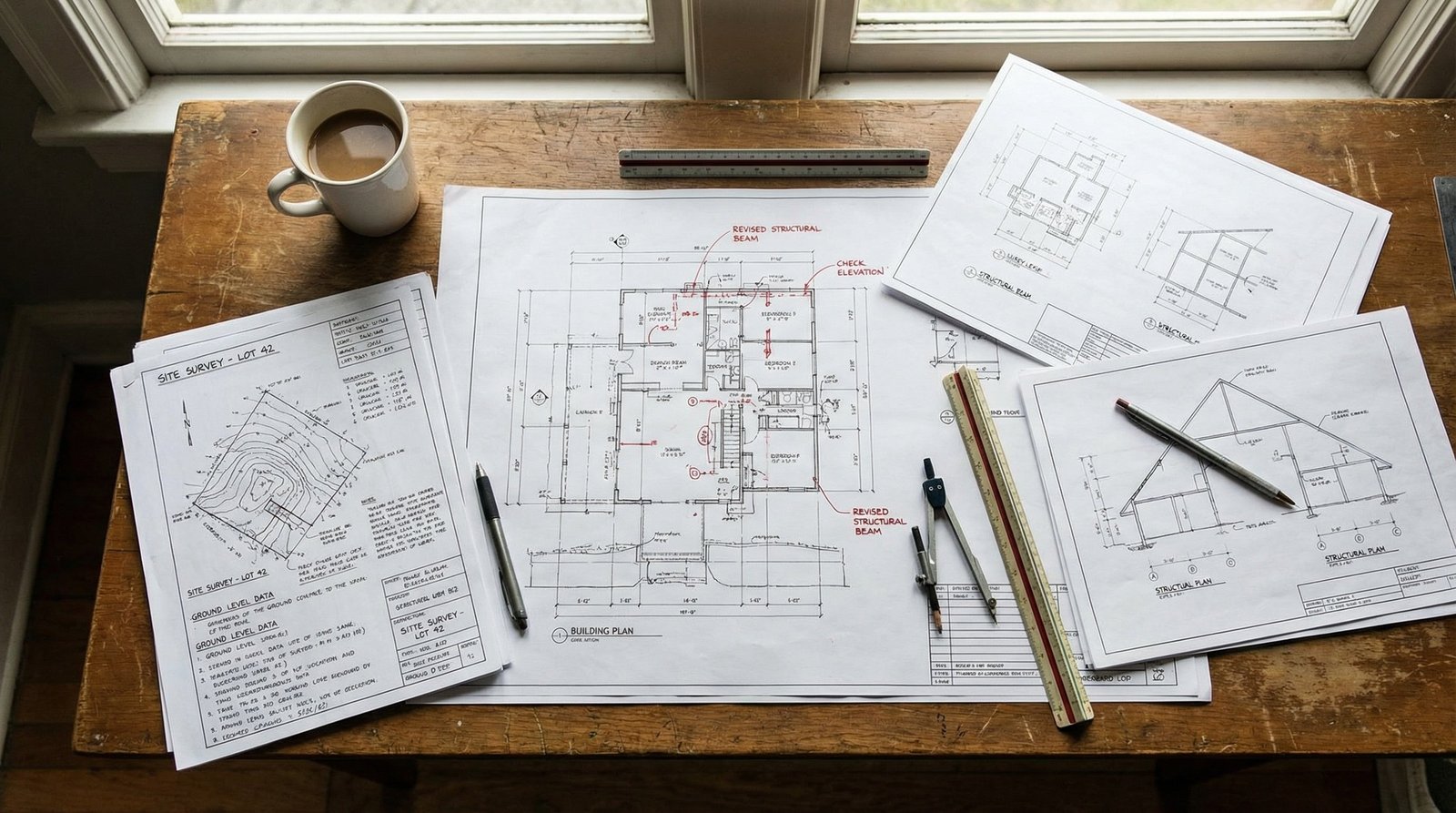
Dilapidations claims are one of the most common sources of dispute between landlords and tenants at the end of a commercial or residential lease. As expert witness building surveyors with extensive experience in dilapidations, we help both landlords and tenants navigate these complex issues. This comprehensive guide explains everything you need to know about dilapidations claims, from understanding your lease obligations to resolving disputes.
What Are Dilapidations?
Dilapidations refer to breaches of lease covenants relating to the repair, decoration, and reinstatement of a property. When a tenant fails to maintain or repair a leased property according to their lease obligations, the landlord may pursue a dilapidations claim to recover the cost of remedial works.
As chartered building surveyors, we regularly provide expert witness evidence in dilapidations claims for both residential property and commercial properties. Our impartial professional opinions help resolve disputes and ensure fair outcomes for all parties.
Types of Dilapidations
There are three main types of dilapidations that landlords and tenants should understand:
1. Interim Dilapidations: These relate to breaches of lease covenants during the term of the lease. Landlords can serve a schedule of dilapidations at any point during the tenancy if the tenant is failing to maintain the property according to their obligations.
2. Terminal Dilapidations: These are the most common type of dilapidations claim and occur at the end of a lease term. The landlord assesses the property condition against the tenant's repairing obligations and prepares a schedule of dilapidations for works needed to return the property to the required condition.
3. Yield-Up Dilapidations: These specifically relate to the tenant's obligation to "yield up" or return the property in a certain condition at lease end, including any requirements to reinstate alterations or improvements made during the tenancy.
The Dilapidations Process
Understanding the dilapidations process is crucial for both landlords and tenants. Here's how a typical dilapidations claim proceeds:
Step 1: Lease Review
The first step in any dilapidations matter is a thorough review of the lease document. As expert witness building surveyors, we carefully examine lease covenants to determine the tenant's precise repair obligations. This includes understanding whether the lease requires full repairing and insuring (FRI) terms, and what reinstatement obligations exist.
Lease terms vary significantly, and it's essential to understand exactly what the tenant committed to when they signed the lease. Some leases include fair wear and tear exemptions, while others place full repairing obligations on the tenant from day one.
Step 2: Schedule of Dilapidations
The landlord's chartered building surveyor will typically prepare a schedule of dilapidations, which is a detailed document listing all breaches of the lease covenants. This schedule identifies required repair works, reinstatement of alterations, and decorative works needed to comply with lease terms.
Our expert surveyors prepare comprehensive schedules of dilapidations that clearly identify defects, reference specific lease clauses, describe required works, and provide cost estimates for remedial repairs. A well-prepared schedule is essential for successful dilapidations claims.
Step 3: Scott Schedule Response
Upon receiving a schedule of dilapidations, the tenant (often through their own chartered building surveyor) will typically respond with a Scott Schedule. This document addresses each item in the landlord's schedule, either admitting the breach, disputing it, or offering an alternative view on costs.
As expert witness building surveyors acting for tenants, we carefully review landlords' schedules to identify items that may be disputed, excessive, or outside the scope of the tenant's obligations. Our expert advice helps tenants understand their actual liability and mount effective defenses to unreasonable claims.
Step 4: Negotiation and Settlement
Most dilapidations claims settle through negotiation before reaching court. Our role as party appointed experts or single joint experts often involves facilitating settlement discussions. We provide impartial professional opinions on property condition, the reasonableness of proposed works, and appropriate cost estimates.
Settlements typically involve financial compensation rather than the tenant actually carrying out works. The landlord's desire to refurbish or modernize the property often means that requiring the tenant to complete specific repairs is impractical.
Step 5: Expert Witness Evidence
If settlement cannot be reached, dilapidations disputes may proceed to litigation or arbitration. At this stage, we provide expert witness evidence in accordance with CPR Part 35 of the Civil Procedure Rules. Our expert witness reports analyze the property condition, assess compliance with lease obligations, and provide professional opinions on repair costs and diminution in value.
As fellows of the Royal Institution of Chartered Surveyors and members of the Academy of Experts, we have extensive experience providing expert witness evidence for property disputes in courts across the UK.
Key Legal Principles in Dilapidations
Several important legal principles govern dilapidations claims:
Section 18 Leasehold Property (Repairs) Act 1927
This crucial statute caps a landlord's dilapidations claim at the diminution in the property's value caused by the breaches. Even if repair costs are substantial, if the landlord plans to demolish or substantially refurbish the property, the actual loss may be minimal, significantly limiting the dilapidations claim.
Our expert witness services often involve providing valuation of property to assess Section 18 limitations. As RICS registered valuers, we can demonstrate how landlords' redevelopment plans affect their actual financial loss.
The Dilapidations Protocol
The Pre-action Protocol for Claims for Damages in Relation to the Physical State of Commercial Property at Termination of a Tenancy (the Dilapidations Protocol) sets out best practices for handling dilapidations claims. Compliance with this protocol is essential for both landlords and tenants.
The protocol requires landlords to provide diminution valuations, quantified demands, and evidence of their intentions for the property. Tenants must respond within reasonable timeframes and engage constructively in settlement discussions.
Supersession
If a landlord's proposed works would supersede the tenant's repair obligations - for example, by demolishing walls the tenant was obliged to repair - the tenant cannot be held liable for those specific breaches. Understanding supersession is crucial in defending dilapidations claims.
Common Dilapidations Disputes
Our experience as expert witness building surveyors in dilapidations claims reveals several recurring disputes:
Interpretation of Lease Terms
Disputes often arise over interpreting lease covenants, particularly concerning what constitutes "good and tenantable repair" or what the tenant's decorating obligations actually require. Our expert advice helps clarify ambiguous lease terms based on legal precedent and industry standards.
Fair Wear and Tear
Many leases exempt "fair wear and tear," but determining what falls within this exemption frequently causes disputes. As chartered building surveyors, we assess whether deterioration results from normal usage or from disrepair requiring tenant responsibility.
Betterment
Landlords cannot use dilapidations claims to improve their properties at tenant expense. If proposed works would better the property beyond its original condition or specification, betterment deductions must be applied to reduce the claim.
Service Charge vs. Dilapidations
In multi-tenanted buildings, distinguishing between repairs properly recovered through service charges and those constituting dilapidations often causes confusion. Our expertise in both service charge disputes and dilapidations helps clarify these complex issues.
How Expert Witness Building Surveyors Help
Our role as chartered building surveyors specializing in dilapidations includes:
For Landlords: We prepare detailed schedules of dilapidations, conduct property inspections to document disrepair, provide cost estimates for remedial works, advise on lease compliance, prepare diminution valuations as required by the Dilapidations Protocol, and provide expert witness evidence supporting dilapidations claims.
For Tenants: We review and respond to landlords' schedules of dilapidations, identify disputed items and excessive claims, advise on Section 18 defenses and supersession arguments, negotiate fair settlements, and provide expert witness evidence defending against unreasonable claims.
As Single Joint Experts: When parties agree, we act as impartial single joint experts providing the court or arbitrator with independent professional opinions on property condition, required works, and appropriate costs.
Preventing Dilapidations Disputes
The best dilapidations claim is one that never happens. Smart planning can prevent costly disputes:
Clear Lease Terms: Ensure lease covenants clearly define tenant obligations. Ambiguous language inevitably leads to disputes.
Schedule of Condition: Preparing a schedule of condition at lease commencement protects tenants from liability for pre-existing defects. Our building surveyors regularly prepare these protective documents.
Regular Maintenance: Tenants should maintain properties according to lease terms throughout the tenancy, not just at lease end.
Early Engagement: Landlords and tenants discussing dilapidations well before lease expiry often reach better outcomes than last-minute confrontations.
Professional Advice: Early expert advice from chartered building surveyors experienced in dilapidations can save significant costs and stress.
Conclusion
Dilapidations claims present complex challenges for both landlords and tenants. Understanding lease obligations, following proper procedures, and obtaining expert advice from chartered building surveyors are essential for favorable outcomes.
Whether you're a landlord seeking to recover repair costs or a tenant facing a dilapidations claim, our expert witness building surveyors provide the professional guidance and expert witness evidence needed to resolve disputes fairly and efficiently.
Our extensive experience in providing expert witness services for dilapidations claims, combined with our status as RICS chartered building surveyors and members of the Academy of Experts, ensures you receive impartial professional opinions respected by courts, arbitrators, and opposing parties alike.
Need Expert Advice on Dilapidations?
Our chartered building surveyors provide expert witness services for dilapidations claims across the UK. Whether you need a schedule of dilapidations prepared, advice on defending a claim, or expert witness evidence for litigation, contact us for professional assistance.
This article is for guidance only and does not constitute legal or professional advice. For specific advice on your dilapidations matter, please consult a qualified chartered building surveyor or solicitor.